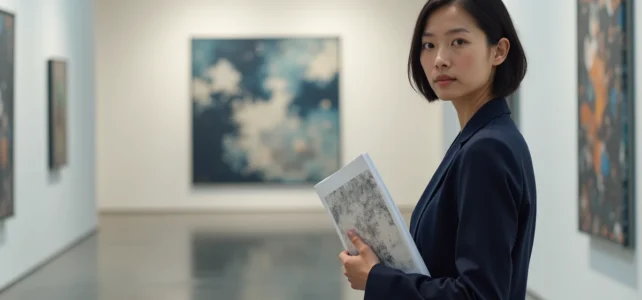
The last week of July 2026 concentrates an unusual density of cultural events in France. Between multidisciplinary festivals, heritage exhibitions, and budgetary tensions weighing on live performance, the artistic news of the coming days reflects a sector in full transformation.
Live Performance in France: A Season Under Budgetary Pressure
Directors of French live performance structures describe the current period as “unprecedented.” Possible cuts to public funding generate palpable concern within the industry, with concrete effects expected as early as the programming for the upcoming season: cancellations of creations, reduction in artistic jobs, decrease in tours.
This financial tension is not yet reflected in the ongoing summer programming, which has largely been finalized for months. It manifests behind the scenes, in the decisions that companies and venues are making for the upcoming season. Several structures have already reported postponements or reductions in capacity.
The paradox is striking: summer festivals showcase extensive line-ups and enhanced ecological commitments, while the creative fabric that feeds these same festivals is becoming fragile. The programming that animates Espace Libre and other cultural distribution platforms directly depends on the vitality of this production ecosystem.
Multidisciplinary Festivals of July 2026: Beyond Music
The fortnight from July 20 to August 2, 2026, concentrates a remarkable number of festivals across France. Musilac in Aix-les-Bains, Terres du Son in Monts, Les Suds in Arles, the Millau Jazz Festival, the Festival de Robion, and The Peacock Society in Paris overlap during this same period.
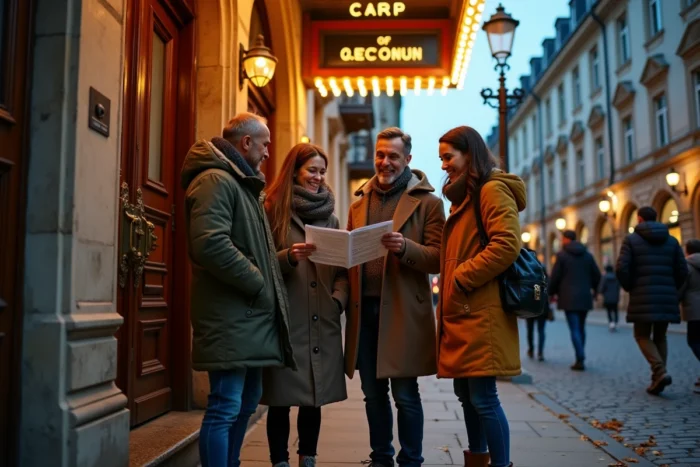
The highlight of this season is less about quantity and more about format. Festivals now combine music, visual arts, circus, street arts, and gastronomy in a multidisciplinary logic that has become widespread compared to editions before 2024.
The other structuring trend concerns environmental commitments. The 2026 descriptions systematically highlight:
- Shorter and more focused programming, with fewer simultaneous stages to limit logistical impact
- The use of short supply chains for on-site catering, with local partnerships highlighted in official communication
- The reduction of single-use plastics and the promotion of soft mobility (shuttles, bicycles, organized carpooling)
These commitments are no longer just an added bonus. They have become a central communication argument in the event presentation sheets, a sign that the public is now sensitive enough to influence programming choices.
Exhibitions and Heritage: What Opens This Week
On the museum and heritage side, several openings deserve attention this week. The Château de Rambouillet is making its presidential apartment accessible, a space previously closed to the public. This opening is part of a policy to promote French presidential heritage that has been gaining momentum in recent years.
In Chamonix, the Alpine Museum is getting a makeover with a reinvention project that rethinks mountain museography. In Paris, the Saint-Eustache Church is reaching a new milestone in its long-term restoration, a heritage project closely monitored by specialists.
On the international front, Unesco has launched its emergency procedure for three threatened sites, reminding us that the protection of world heritage remains a pressing current issue, far from just the summer programming stakes.
Belgian modernism is also making headlines through an exhibition dedicated to its colors, a perspective that renews the usual approach to this movement often discussed solely from an architectural angle.
The Theft of the Vix Torque: A Heritage Saga
The case of the theft of the Vix torque continues to develop. This masterpiece of Celtic goldsmithing, a centerpiece of the Pays Châtillonnais museum, is attracting the attention of heritage specialists and investigators. Field reports vary on the exact circumstances of the theft, and the case remains open. For lovers of ancient art, this affair illustrates the persistent vulnerability of collections in medium-sized museums, often less equipped with security measures than large institutions.
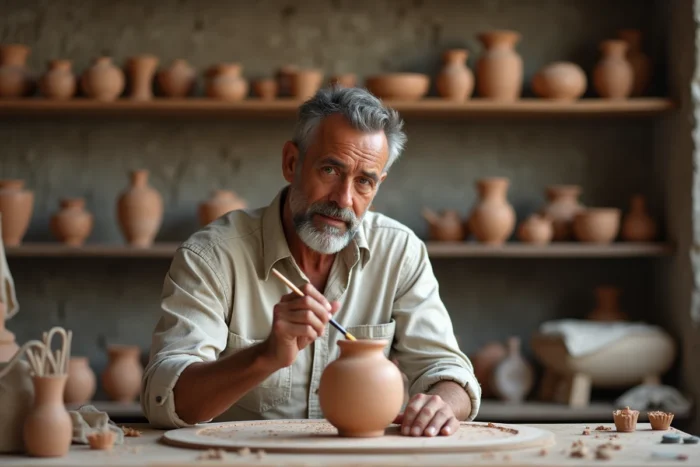
Contemporary Art and Galleries: A Mixed Summer Market
Parisian galleries maintain a strong activity at the end of July, with several summer exhibitions renewing their offerings. The contemporary art sector is going through a contrasting period where international fairs still attract a loyal audience, but mid-sized galleries struggle to maintain their exhibition rhythm.
The available data does not allow for a conclusion on the actual state of the art market in France for the second half of 2026. However, the proliferation of hybrid formats (temporary exhibitions coupled with performances, open public residencies) reflects an adaptation of stakeholders to the new expectations of visitors.
- Immersive exhibitions continue to draw large audiences, especially in Paris where several dedicated venues program continuously
- Photography and fashion remain strong themes in Parisian museums, with retrospectives stretching throughout the summer
- Fall fairs and salons are already being prepared, with participation announcements gradually filtering through
Film completes this cultural panorama with a dense summer program, featuring both theatrical releases and outdoor screenings multiplying in medium-sized cities as well as large metropolises.
The week of July 27 to August 2, 2026, showcases a French cultural sector that produces, programs, and exhibits at a sustained pace. The question of the sustainability of this vitality, in the face of announced budgetary uncertainties, remains the common thread of this cultural season that is already being prepared behind the scenes.