The wellness trends shaping the health offering in 2026 are based on an increasingly thick technological layer: wearable sensors, sleep tracking apps, real-time calculated stress scores. We observe that this infrastructure primarily benefits users already familiar with quantification tools, raising a question rarely addressed in mainstream media: does connected wellness create a gap between insiders and the general public?
Equipment Bias: Does Wellness 2026 Benefit Everyone?
Most of the practices highlighted this year (sleep retreats, biohacking, automated passive recovery) assume a material prerequisite. A connected bracelet or ring to measure heart rate variability. An app capable of interpreting sleep cycles. A subscription to an adaptive coaching platform.
Without a sensor, there are no data, and without data, there is no personalized protocol. The circle is closed even before the unprepared user can enter.
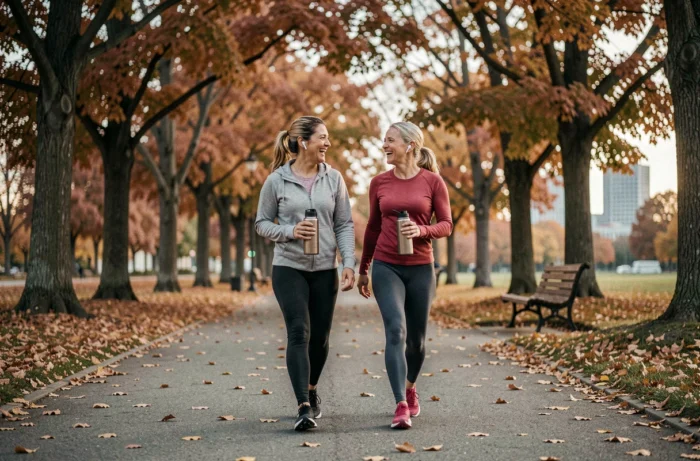
We recommend distinguishing two levels in current wellness advice. The first includes practices accessible without technology: daily walking, hydration, screen management. The second, which dominates online content, requires a material investment and a digital literacy that not everyone possesses. The publications found in the health section of Net Addict cover both levels, which remains quite rare in the Francophone editorial landscape.
Functional Beverages and Adaptogenic Food: The Nutritional Shift of Wellness
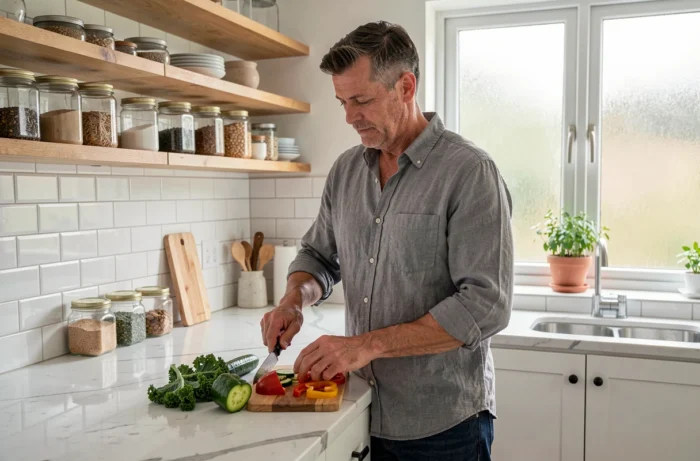
Circana identifies functional and probiotic beverages among the growing categories in the health-wellness market. Protein drinks and hydration products follow the same trajectory. This shift towards functional food changes the usual lens of wellness, which has long been centered on fitness and relaxation.
Oral health emerges as a fully-fledged wellness category, according to the same source. This point deserves attention: it signals that the scope of wellness is expanding well beyond stress and sleep, towards segments once confined to the medical field.
For consumers, this translates into a fragmented product offering. Brands multiply functional claims (adaptogens, nootropics, marine collagen), and the readability of labeling remains a concrete issue. No harmonized European standard yet governs the use of the term “functional” on a beverage.
What Users Are Really Looking For
Queries related to wellness products show a semantic shift. The terms “quality,” “stress,” and “sleep” dominate searches associated with “health trends.” Consumers are no longer looking for a generic routine. They want a protocol targeted at a specific symptom.
This behavior fuels the growth of tracking apps that cross-reference multiple indicators (physical activity, nutrition, sleep) to produce a composite score. The limitation remains the same: these tools assume a consistency of input that the majority of users abandon after a few weeks.
Passive Recovery and Digital Detox: Two Contradictory Trends
Automated passive recovery is gaining ground. Connected mattresses, programmable light therapy lamps, vagal stimulation devices: the idea is to delegate the body’s regeneration to devices that operate without conscious intervention.
At the same time, digital detox is among the most cited trends. We observe a structural tension here:
- On one side, wellness practices require more screens, sensors, and apps to function according to their promise of personalization.
- On the other, the same prescribers recommend reducing screen time and regularly disconnecting to preserve mental health.
- The compromise often proposed (silent notifications, “sleep” mode on wearables) remains a palliative that does not resolve the fundamental paradox.
Automating recovery while reducing screen dependence requires a thoughtfully designed architecture of tools, not a stacking of gadgets.
Sleep Retreats and Biohacking: For Which Profile?
Sleep retreats generally combine simplified polysomnographic measurement, light therapy protocols, and behavioral coaching. Biohacking, on the other hand, pushes the logic further with targeted supplements, scheduled intermittent fasting, and sometimes cryotherapy.
These approaches produce documented results in individuals who already have a structured lifestyle. For a sedentary, stressed audience unfamiliar with physiological vocabulary, the return on investment of these practices remains marginal without professional support.
Mental Health and Mind-Body Practices: What Changes in 2026
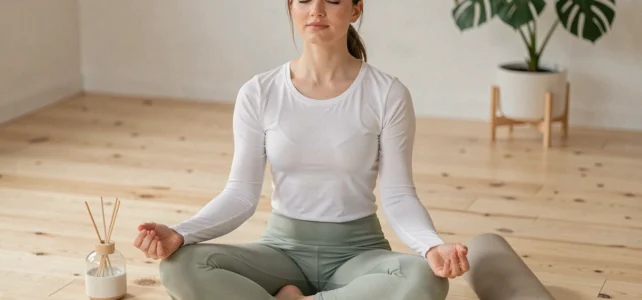
Mental health is a major national cause in France in 2026, with an extension of the initiative. This institutional recognition accelerates the dissemination of practices once perceived as alternative: yin yoga, neuroscience-guided meditation, sensor-assisted heart coherence.
The notable change does not come from the techniques themselves, which have existed for years, but from their integration into conventional care pathways. Some general practitioners now refer patients to clinically validated stress management apps.
- Sensor-assisted heart coherence allows for real-time biofeedback but requires a dedicated device or a compatible smartphone.
- Neuroscience-guided meditation programs adapt sessions based on measured physiological states, which assumes an active wearable.
- Yin yoga remains the most accessible practice: no equipment required, sessions can be done at home, and there is documented evidence of its effect on cortisol reduction.
The underlying trend is clear: wellness habits are gradually becoming medicalized, and the boundaries between fitness, relaxation, and care are becoming porous. The risk is to confuse personal optimization with therapeutic care, two approaches that do not fall under the same skills or guarantees.
The wellness trends of 2026 outline a two-speed landscape. On one side, powerful tools for those who know how to use them. On the other, common-sense advice (move, sleep, eat better) that does not require a sensor to function. The real advancement would be to make the first level as accessible as the second, without conditioning wellness to a monthly subscription.